200 Years of Hartog-Est

From a small-town Wheelwright Workshop to a custom Transport Solutions Builder

The Hartog-Est Vehicle Body Manufacturer in Waardenburg has been in business for no less than 200 years. Two centuries that capture the imagination—and for good reason. Over that time, the Wheelwright Workshop has evolved into a Transport Solutions Builder that has made itself indispensable. But this Family Business doesn’t rely solely on its history. Owner Jorrit den Hartog is ensuring his company is ready for the future: “There is demand for our solutions.”

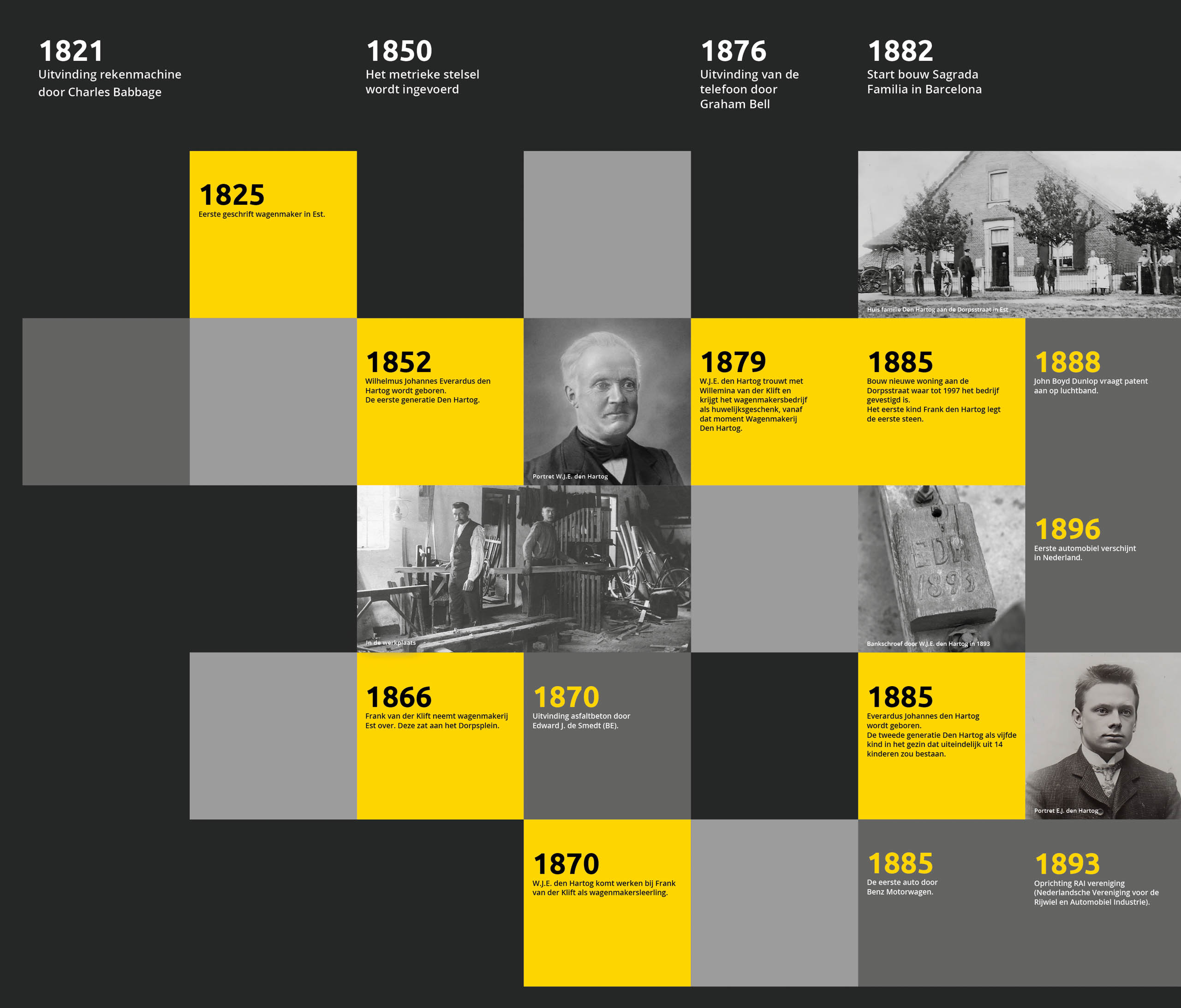
A Wheelwright Workshop, Blacksmith Workshop, and sawmill all in one, combined with the day-to-day operations of a farm. That was the origin of the business in the village of Est around 1825. That’s how things were back in the 19th century—to provide the immediate community with a variety of goods and services. This was also true of the Wheelwright Workshop, which manufactured farm wagons and wheelbarrows, but just as readily supplied the village with “skating sticks.”

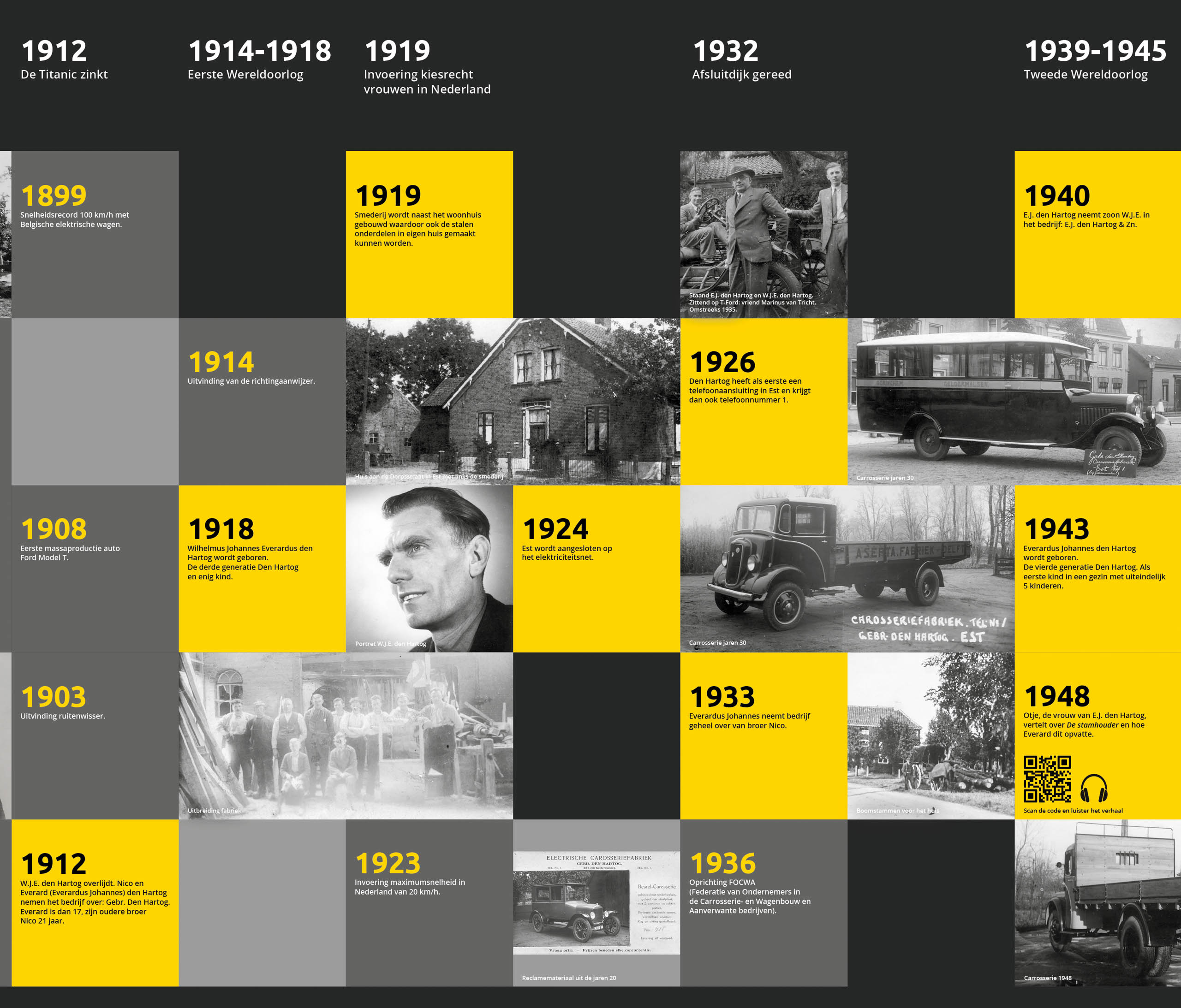
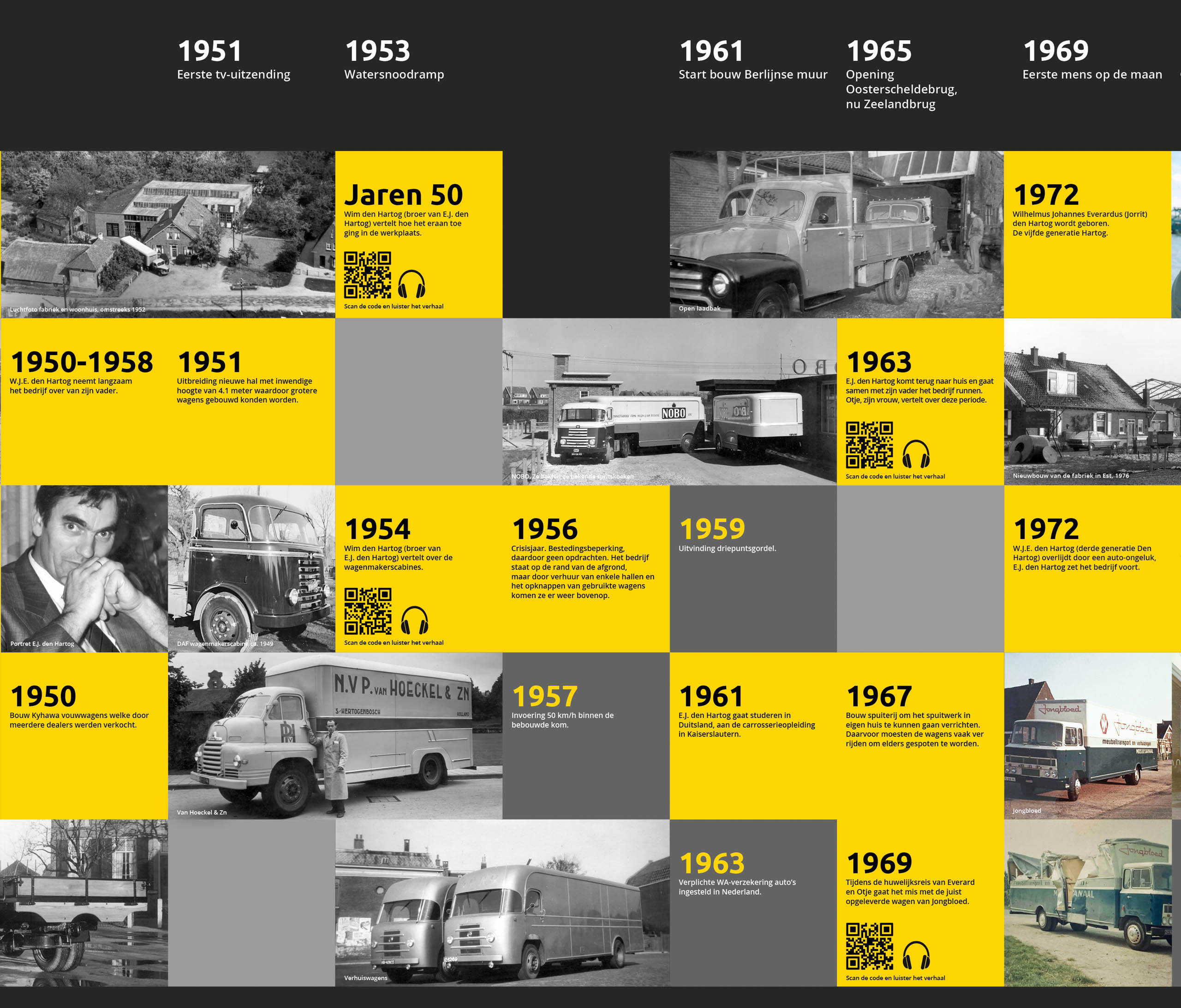
And then came the car, in the early 20th century. A massive turning point. The farm wagon became a car. Steam gave way to electricity. After World War II, the company shifted its focus to trucks and Commercial Vehicles. This marked an important milestone for the Vehicle Body Builder as we know it today.
5 Generations of Hartog-Est

Six generations

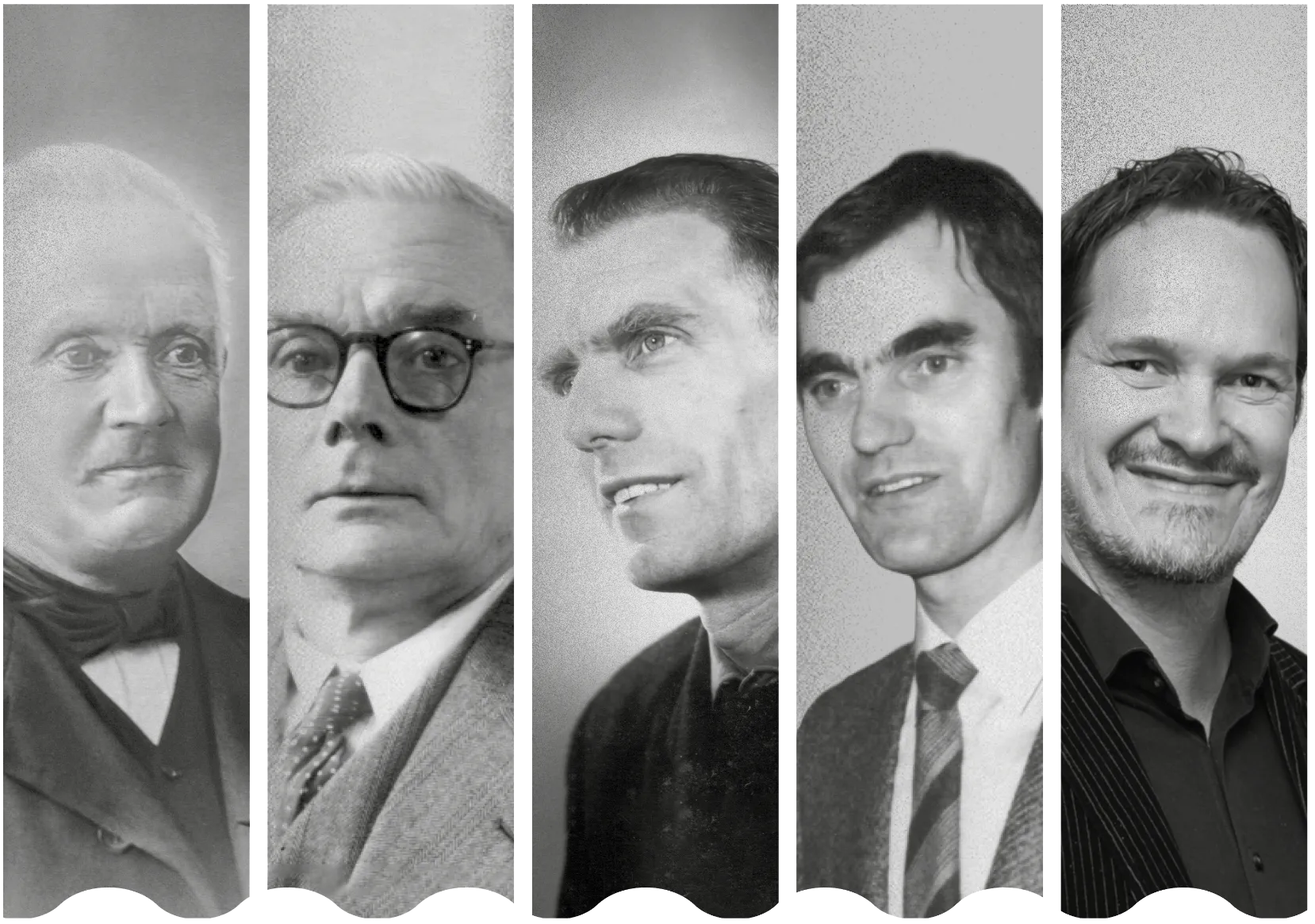
Today, with Jorrit at the helm, the company is now in its sixth generation. He succeeded his father, Everard, in 2003; Everard had joined the company in 1963 after completing a coachbuilding apprenticeship in Kaiserslautern, Germany. The Master Vehicle Body Builder had to steer the company through various crises in the 1960s and 1970s. In 1972, a personal tragedy struck when Everard’s father—Jorrit’s grandfather—was killed in a traffic accident. Jorrit was just two weeks old, and Everard suddenly had to take responsibility for the company.

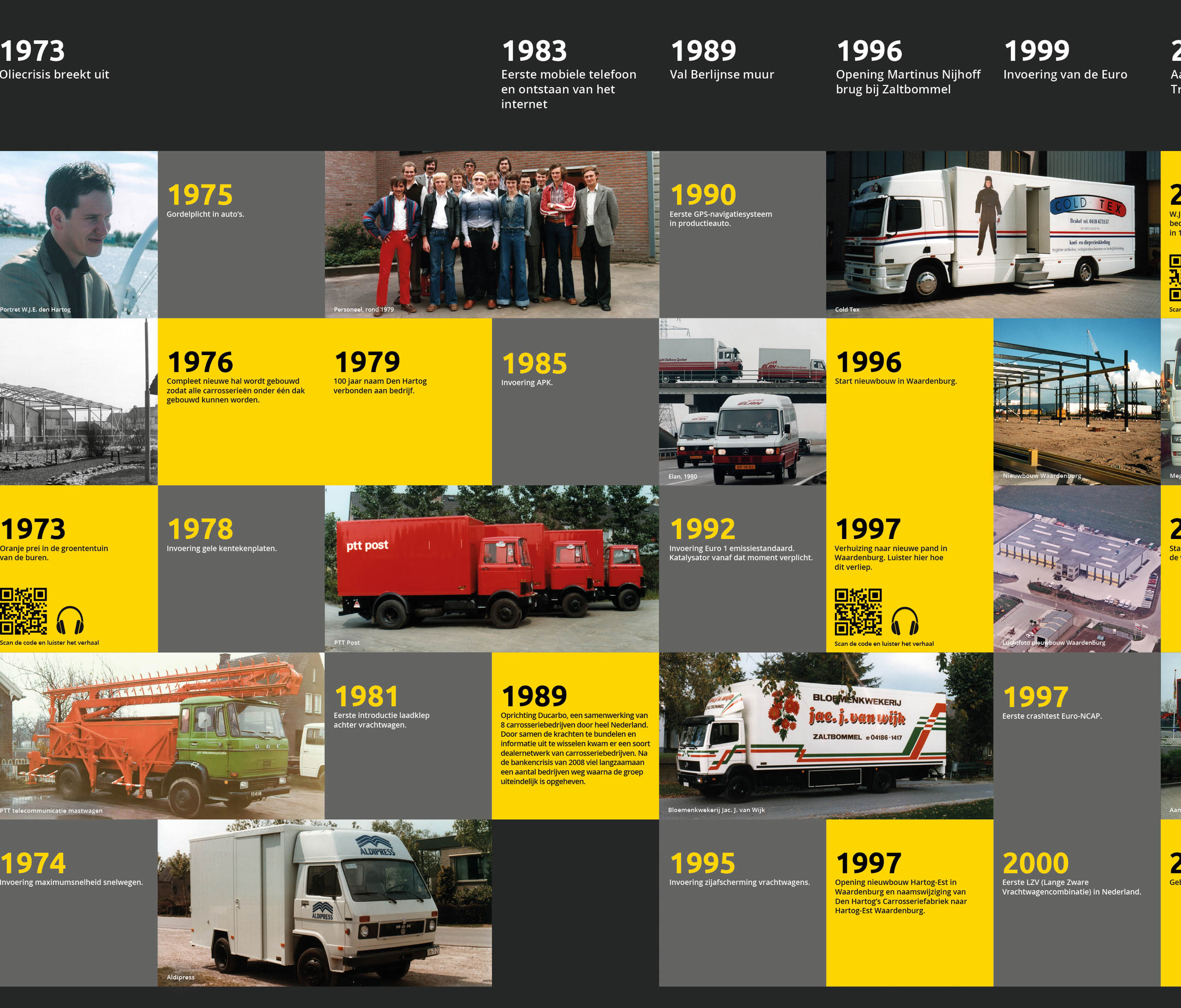
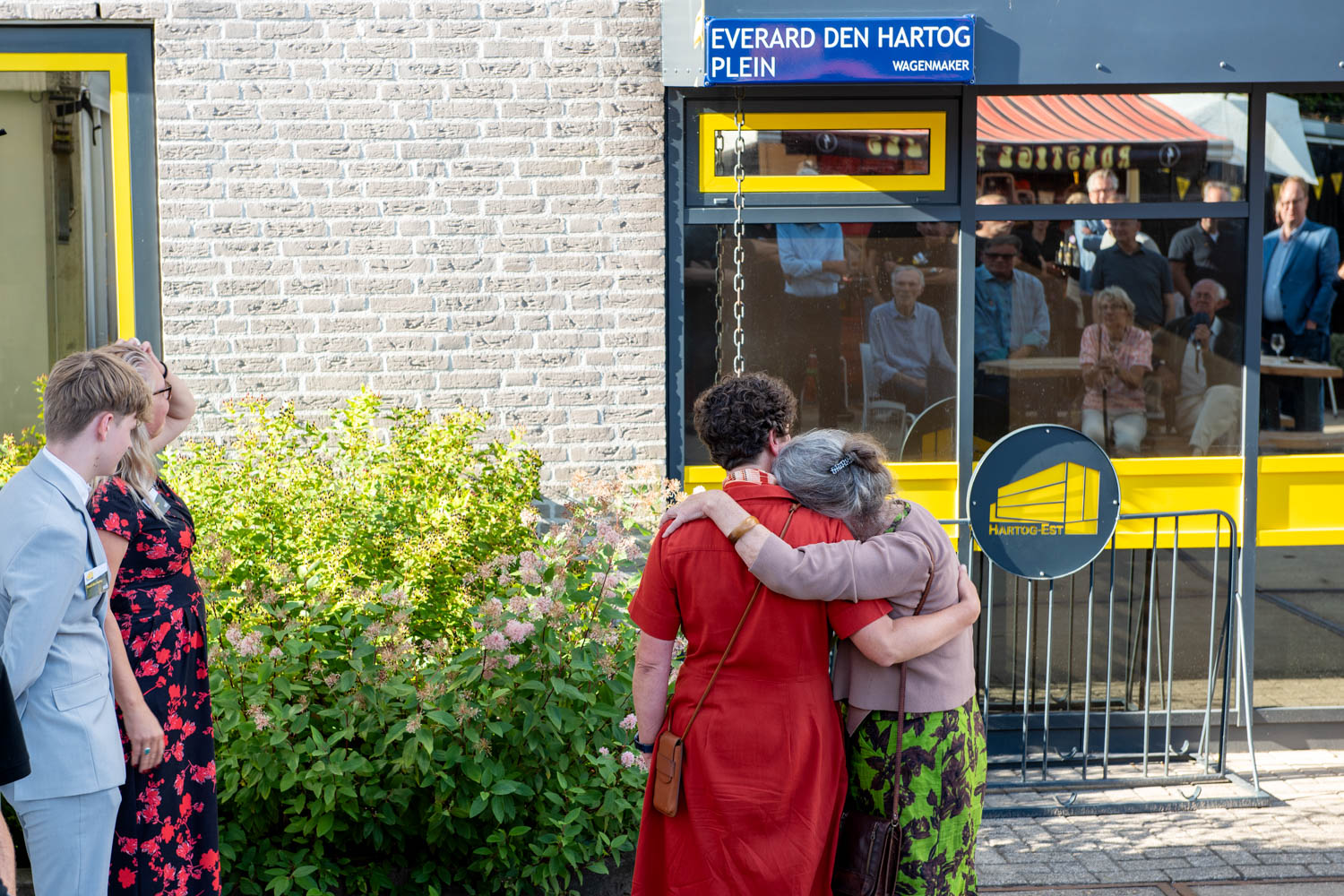
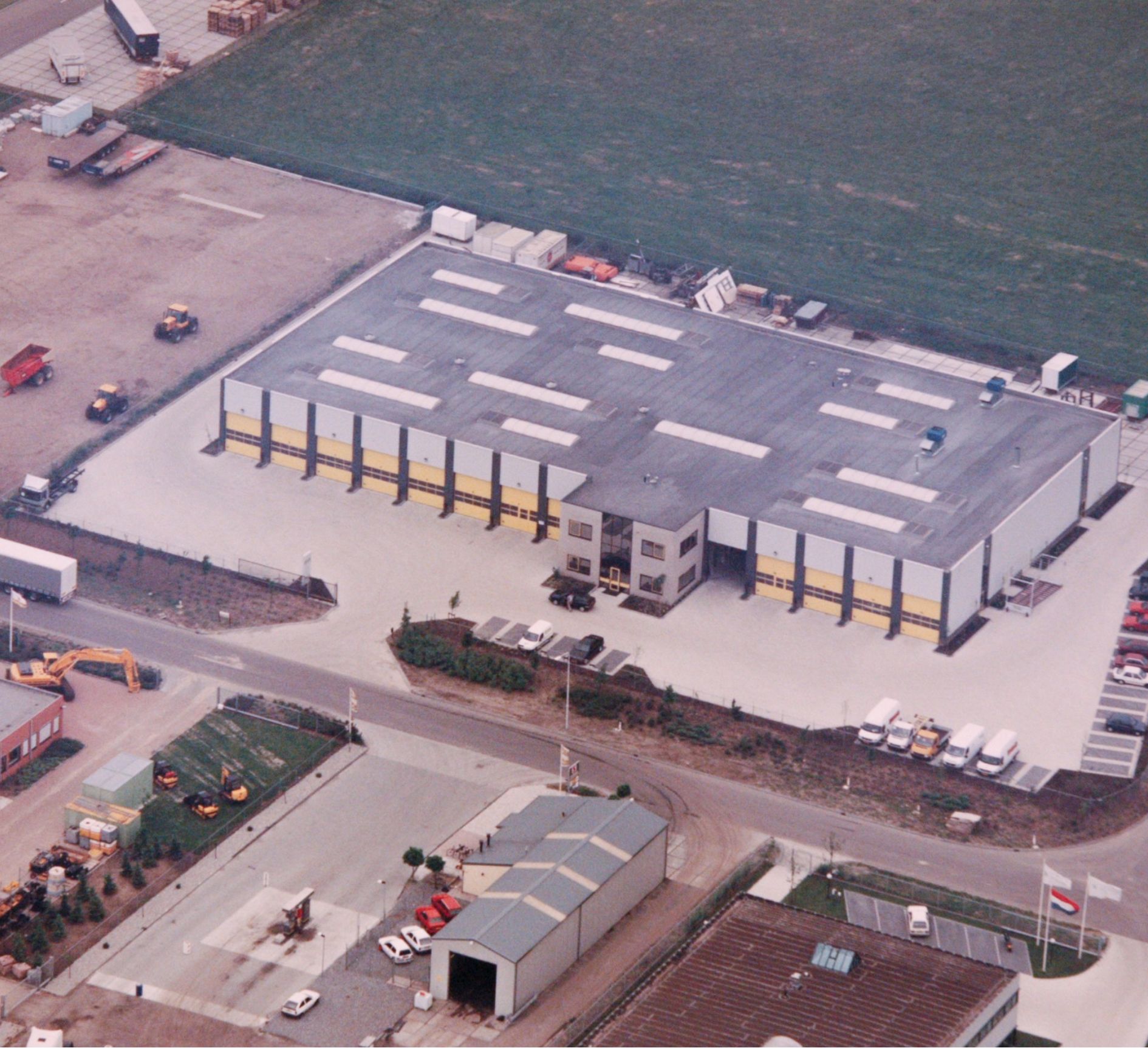
The crisis took no account of personal hardships, and plans for new construction were put on hold because people had to focus on survival. A few years later, new construction finally began in Est, and thirty years later—in 1997—ground was broken at Slimwei, the current business park in Waardenburg, because it offered more space and was more centrally located. As a tribute, Everard incorporated the village’s name into the company name—and so it became Hartog-Est. “Out of mutual respect, the site where our old building stood and where homes were later built has been renamed Wheelwright Erf,” says Jorrit.

New Construction

During the new construction plans in Waardenburg, Jorrit—who had previously worked for a Canadian city bus company—also joined the company. Jorrit took over the company in 2003; his father continued to work there for another five years before stepping down in 2008 to allow Jorrit to put his own stamp on the business. Everard passed away in early 2024 from complications related to Parkinson’s disease.

Jorrit hit the jackpot, but from day one he had to deal with a new setback: the infamous banking crisis that erupted on October 1, 2008. This difficult period ultimately led to Jorrit having to make the painful decision in 2013 to let go of six employees in order to ensure the company’s survival. “It was a time of survival, hard work, and long hours,” Jorrit recalls. “We had to make do with what we had. We handled the paperwork in the evenings.”
Custom-
Solutions

Hartog-Est emerged stronger. Whereas the company had previously positioned itself as an all-around vehicle body shop, specializing primarily in enclosed vehicle bodies, it increasingly focused on specialized, custom solutions such as Platform Bodies for the infrastructure sector. Engineering—building from blueprints—became the standard. The team expanded and revenue increased.
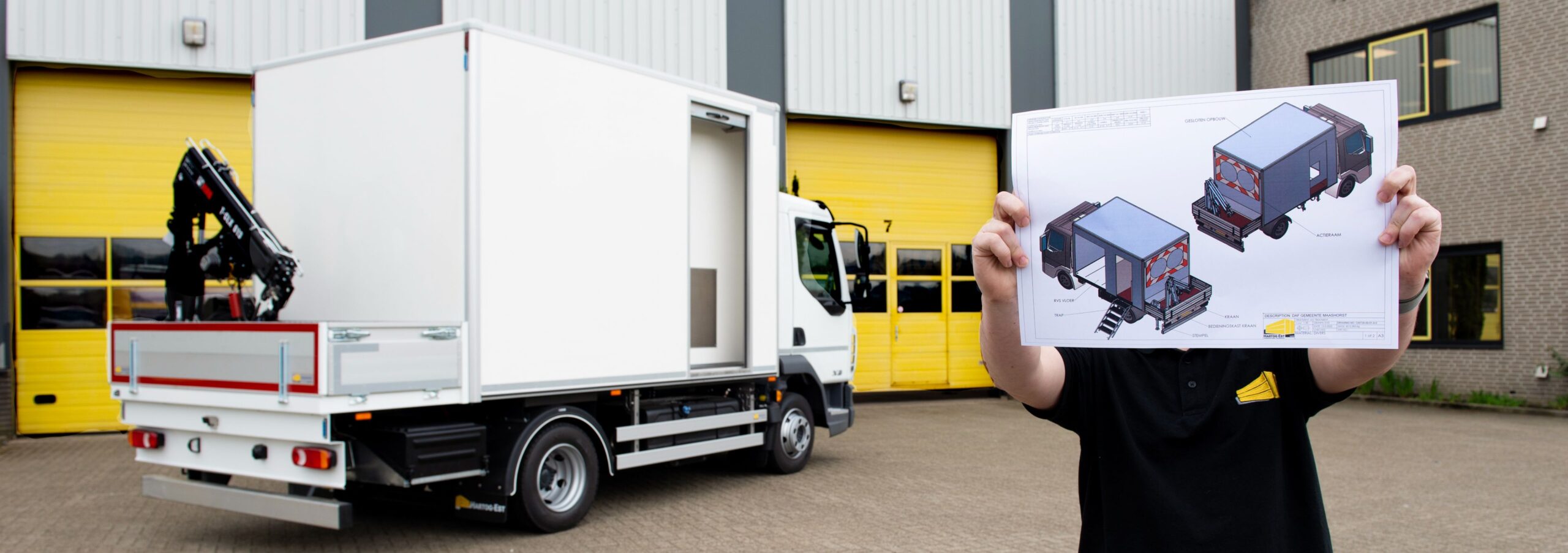
Hartog-Est has now sharpened its focus even further on specific industries, such as Infrastructure Maintenance, Landscaping Services, and Bulk Beer Transport. This allows the Vehicle Body Manufacturer to form even more targeted partnerships and offer specialized, custom-made Transport Solutions. “We’re a true Transport Solutions Builder. It’s no coincidence that our slogan is ‘We build Transportation,’” says Jorrit. “Through engineering, we can clearly demonstrate in advance what the final product will look like. We design and manufacture high-quality products with a clear focus. And we thrive in that leading role. We always pay close attention to our customers’ needs and challenges and enjoy collaborating on real-world Transport Solutions. That’s what makes us happy.”

Future

Jorrit sees this flexible approach as a prerequisite for the future. “Freight transport is constantly changing, so it’s essential to be flexible. To be able to adapt as the market evolves and when the client requests it. Our network and resources make that possible. We want to be able to adapt and respond quickly when necessary—that’s how I’ve structured the company. Our way of working is highly valued right now, and there’s demand for our solutions.” According to Jorrit, his network and his team’s flexibility will enable them to continue responding to new demands from the transportation industry in the future.
Jorrit’s goal is to make the company future-proof and keep it that way. “My employees and I are motivated. Just like my predecessors, I’ve poured my heart and soul into this. Even during difficult times, we’ve shown resilience. Not giving up—that’s been in our DNA for two hundred years.”

Jorrit looks back on his family history with appreciation and interest, but looks toward the future with just as much interest and curiosity. “It’s fascinating to see how we’re evolving. And I find it a wonderful challenge to steer our company in that direction. It’s important that we maintain our Craftsmanship. I’m committed to that.”

Sustainable Business Practices at

To ensure that this expertise is not lost, Hartog-Est is actively involved in technology education in the region. The company is happy to host groups of students and visits schools. Jorrit serves on the board of the Regional Center for Technology (RCT) in Gelderland, an organization focused on the transition to smarter and more sustainable production, particularly in the manufacturing industry. The organization focuses on technology, education, and sustainability.

Sustainable business practices are reflected in high-quality products that last a long time. That’s what Hartog-Est stands for. But it’s also reflected in how the company treats people both inside and outside the organization. Jorrit believes it’s important to offer flexible work schedules, both for office staff and for the workshop. A good work-life balance is important, and Jorrit is committed to promoting it. In addition to working hard on beautiful Vehicle Bodies, there must be room for relaxation. This ensures that Hartog-Est remains a great employer in the region—both now and in the future—and a sustainable partner for its clients.

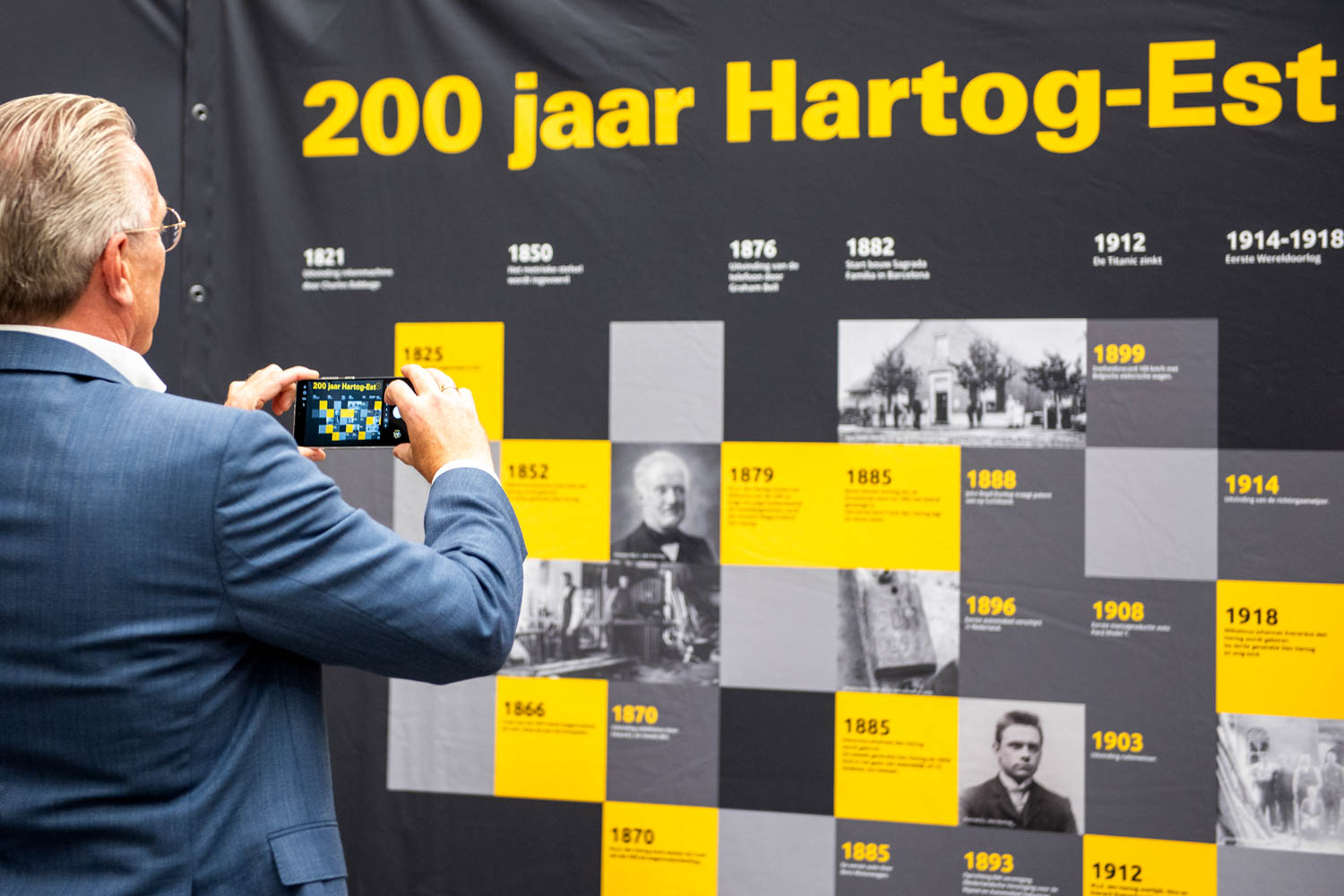
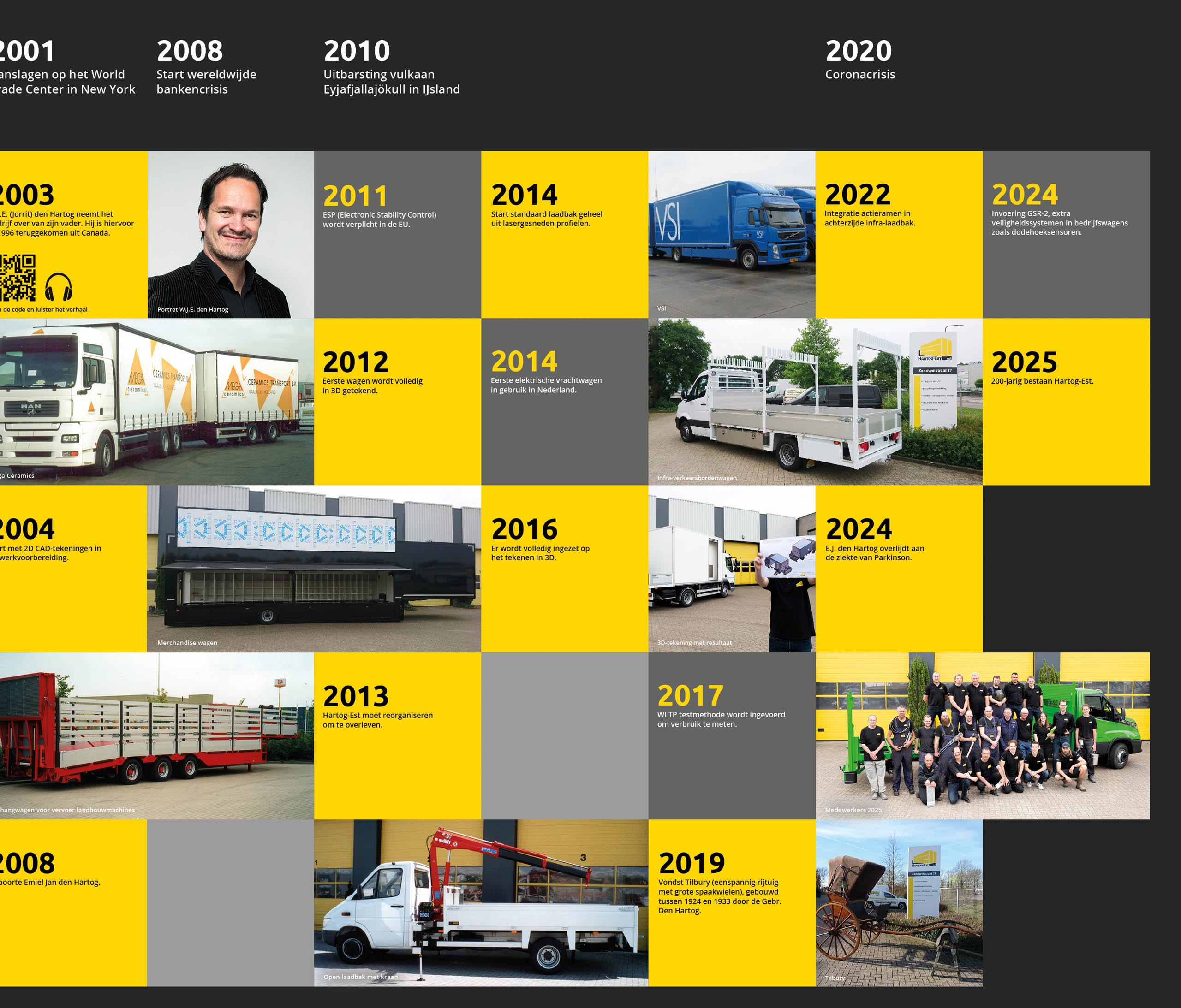
Timeline: 200 Years of Hartog-Est
Client Appreciation Day & ”
” Open House at
, September 2025
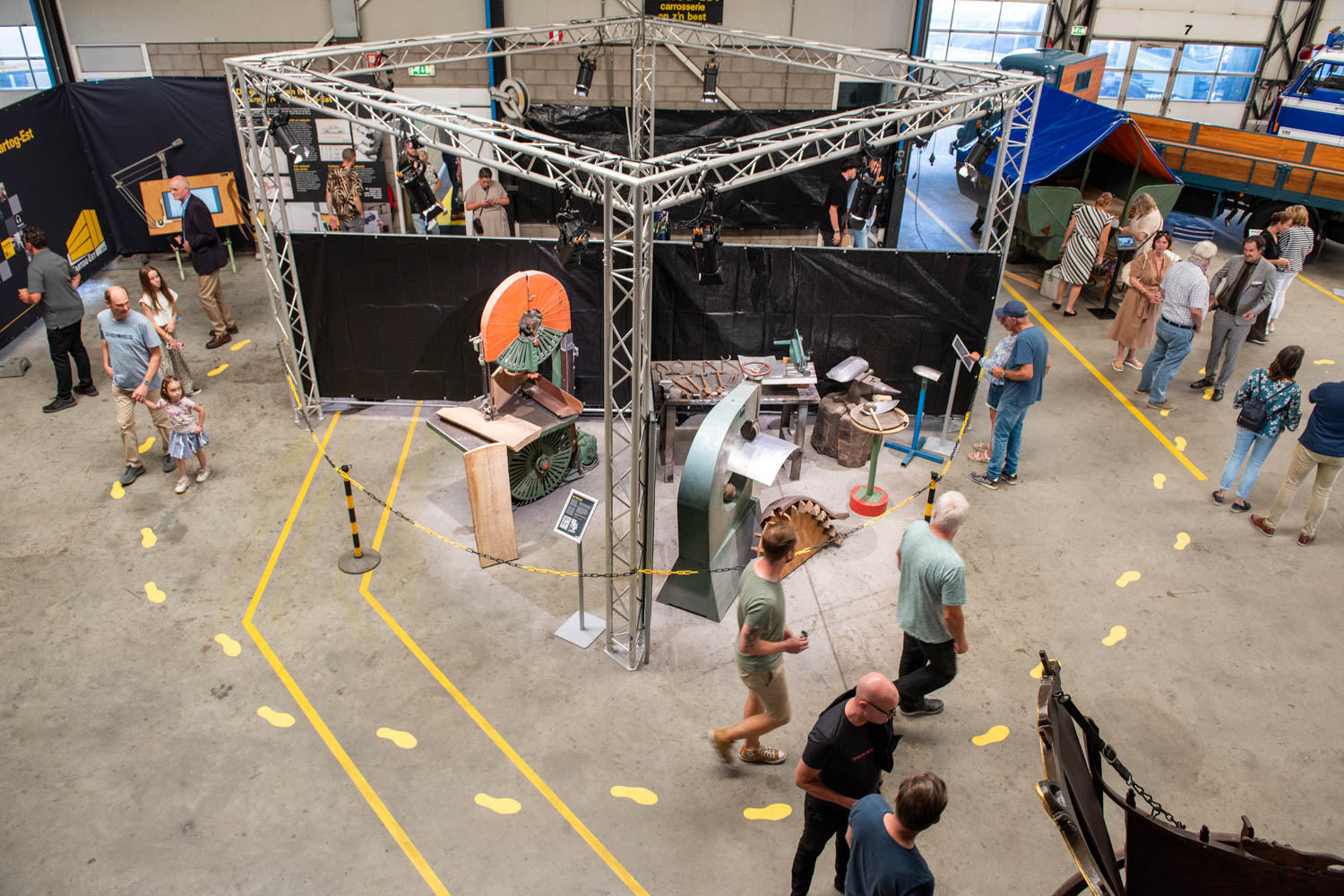
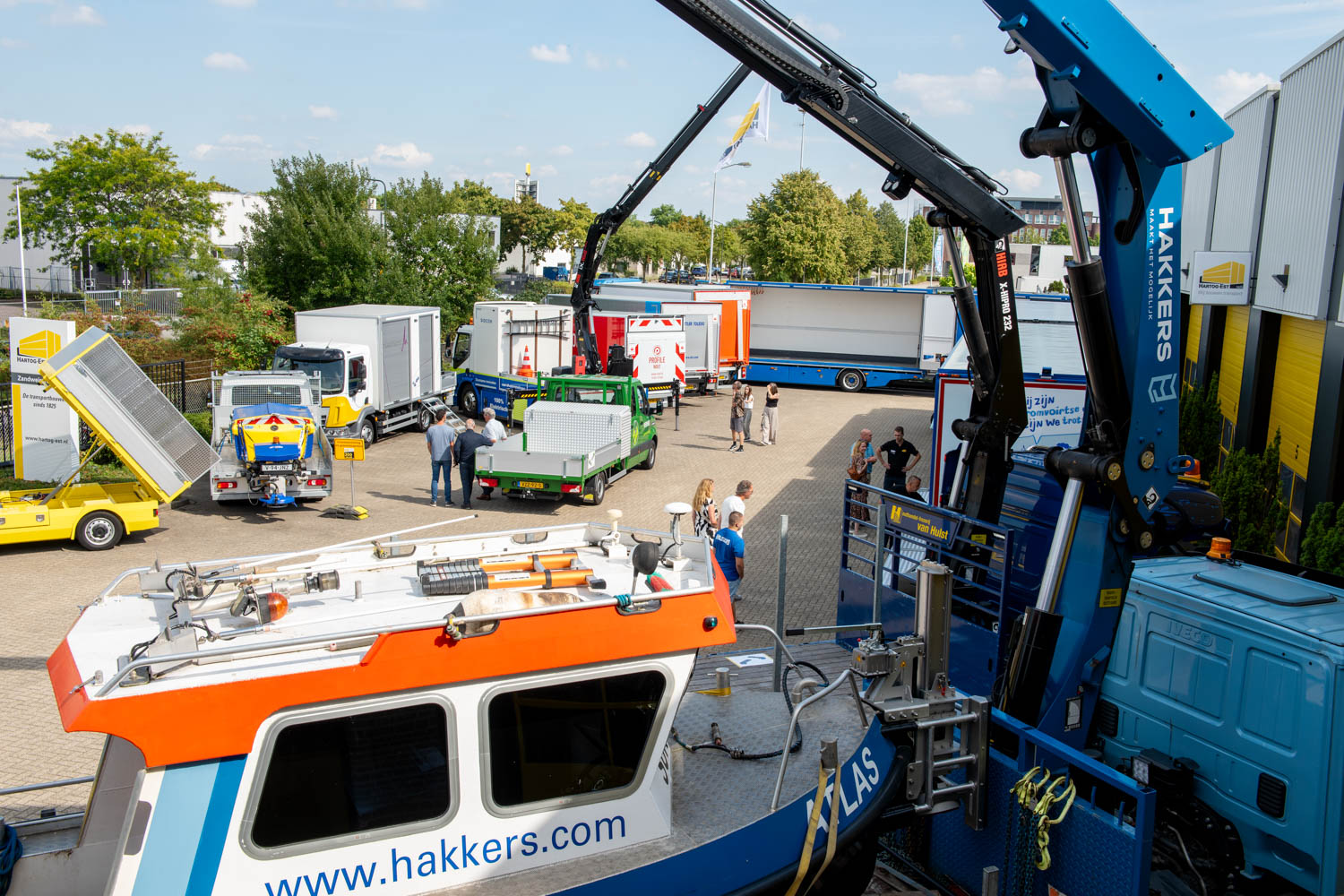
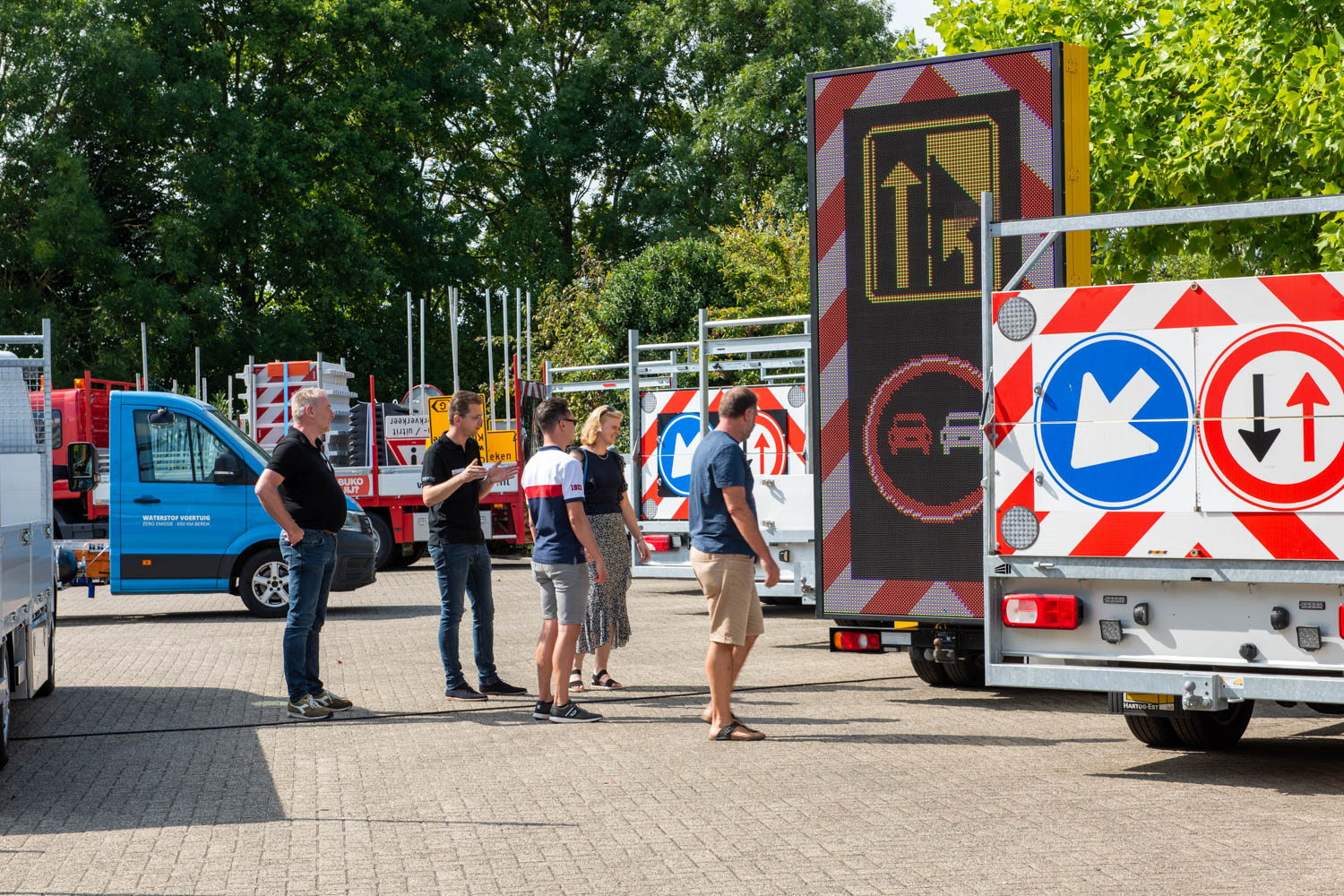
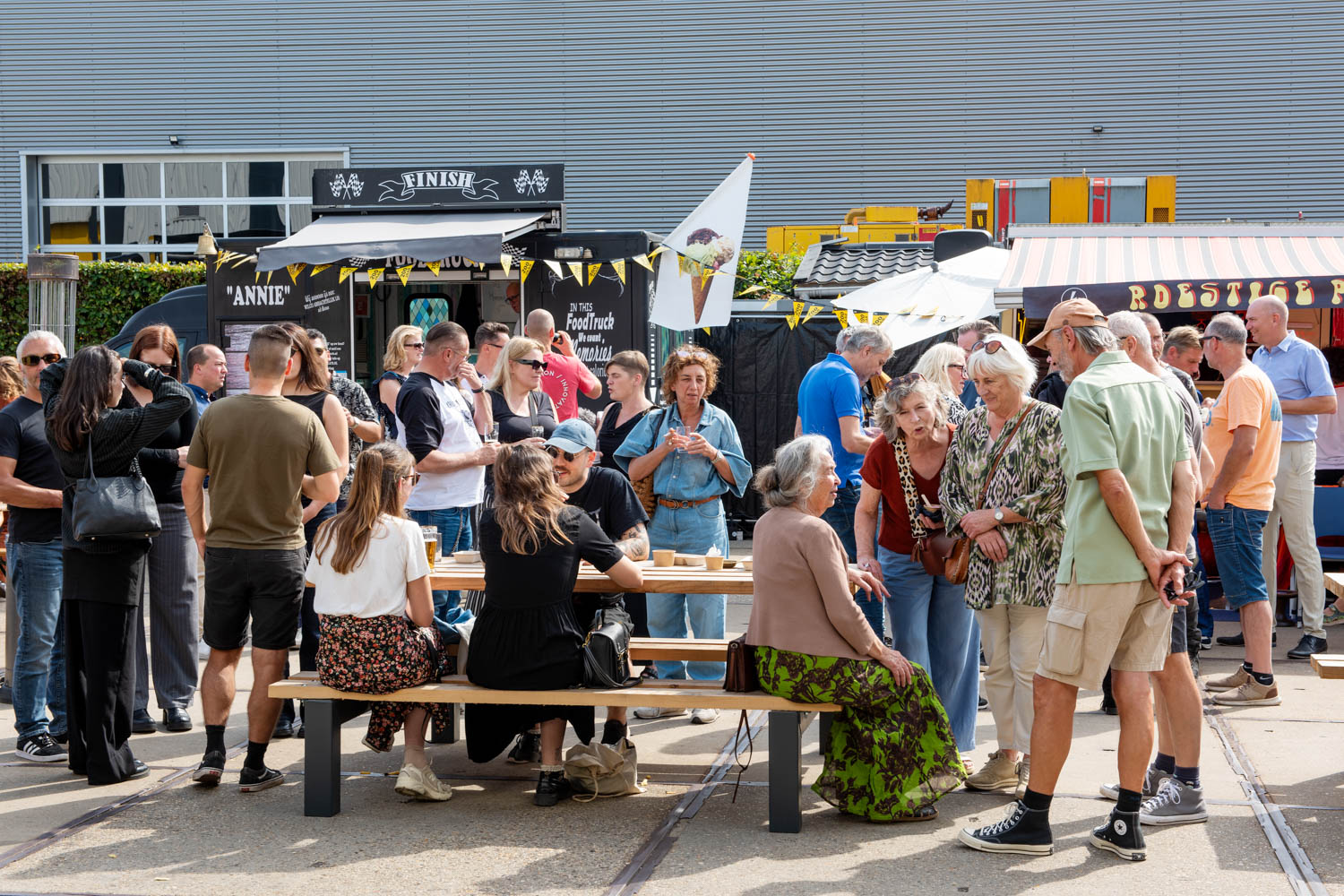
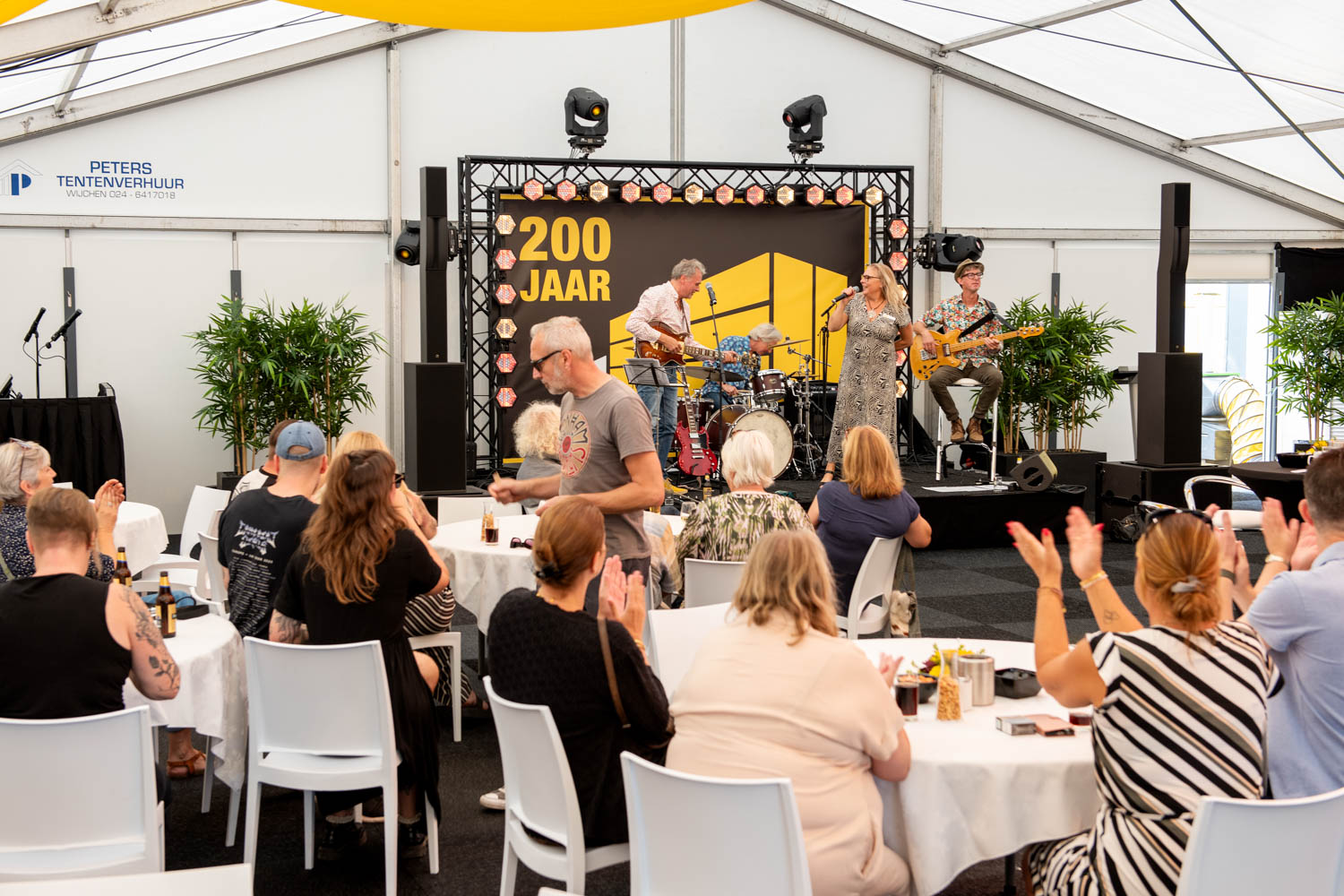
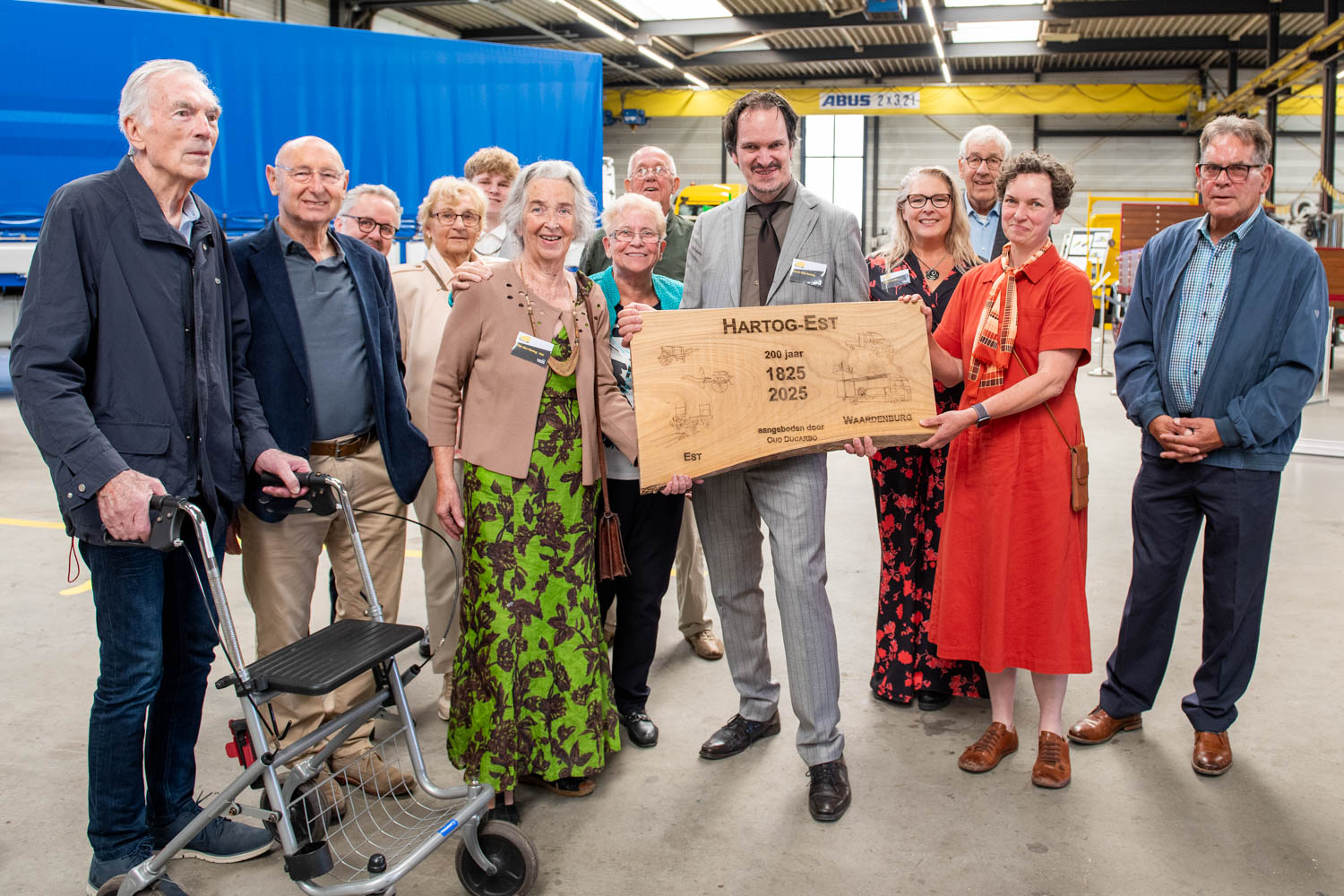
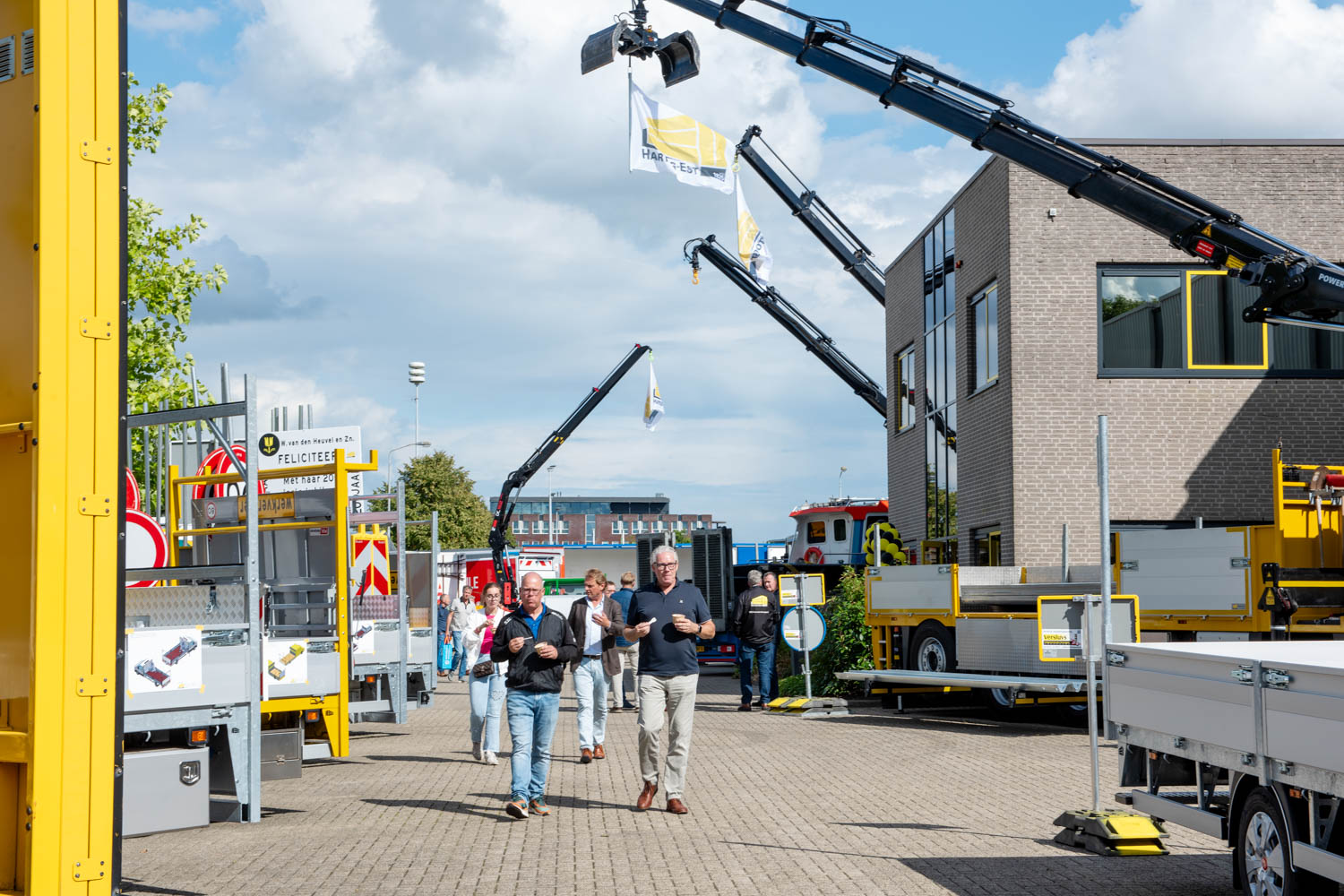
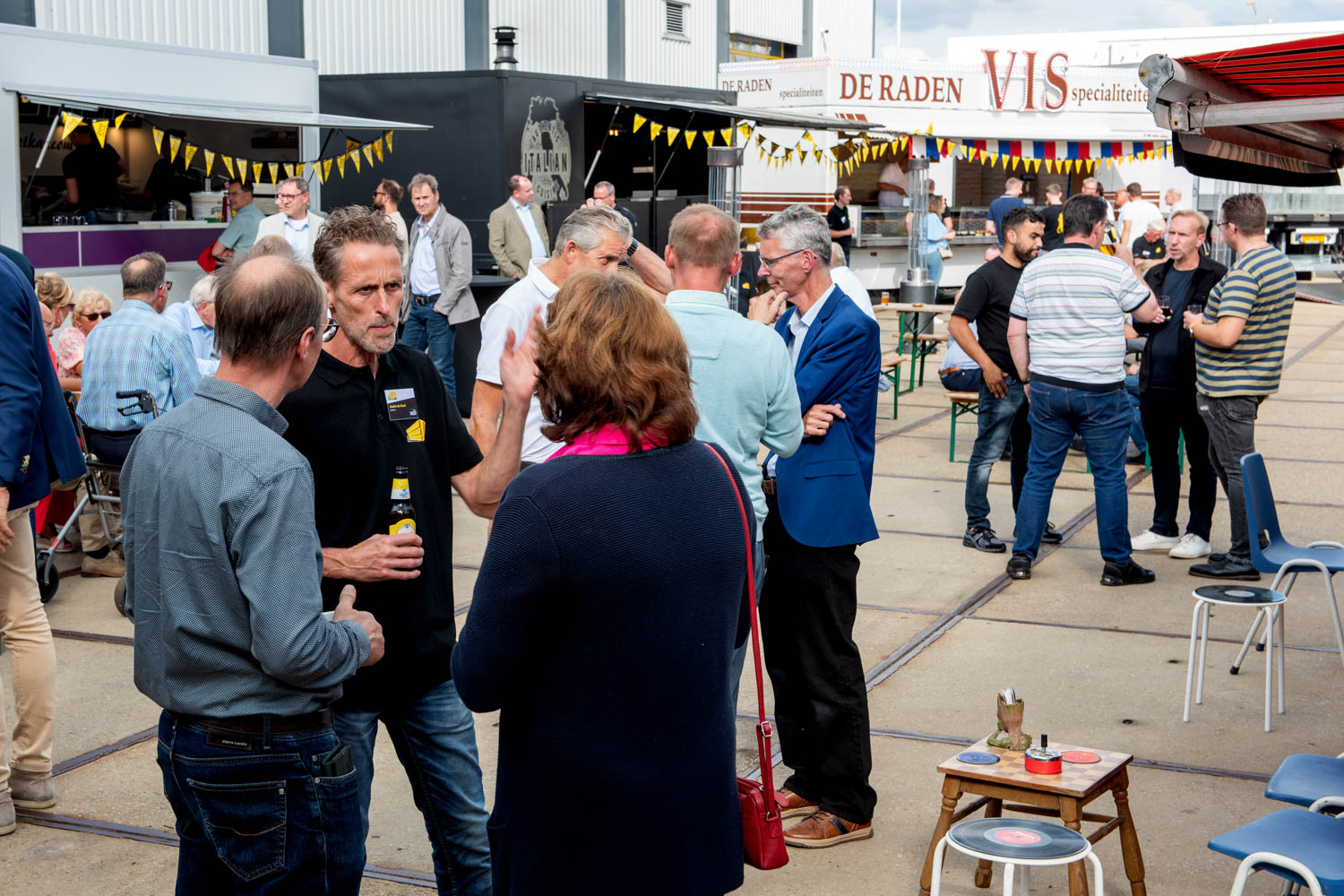
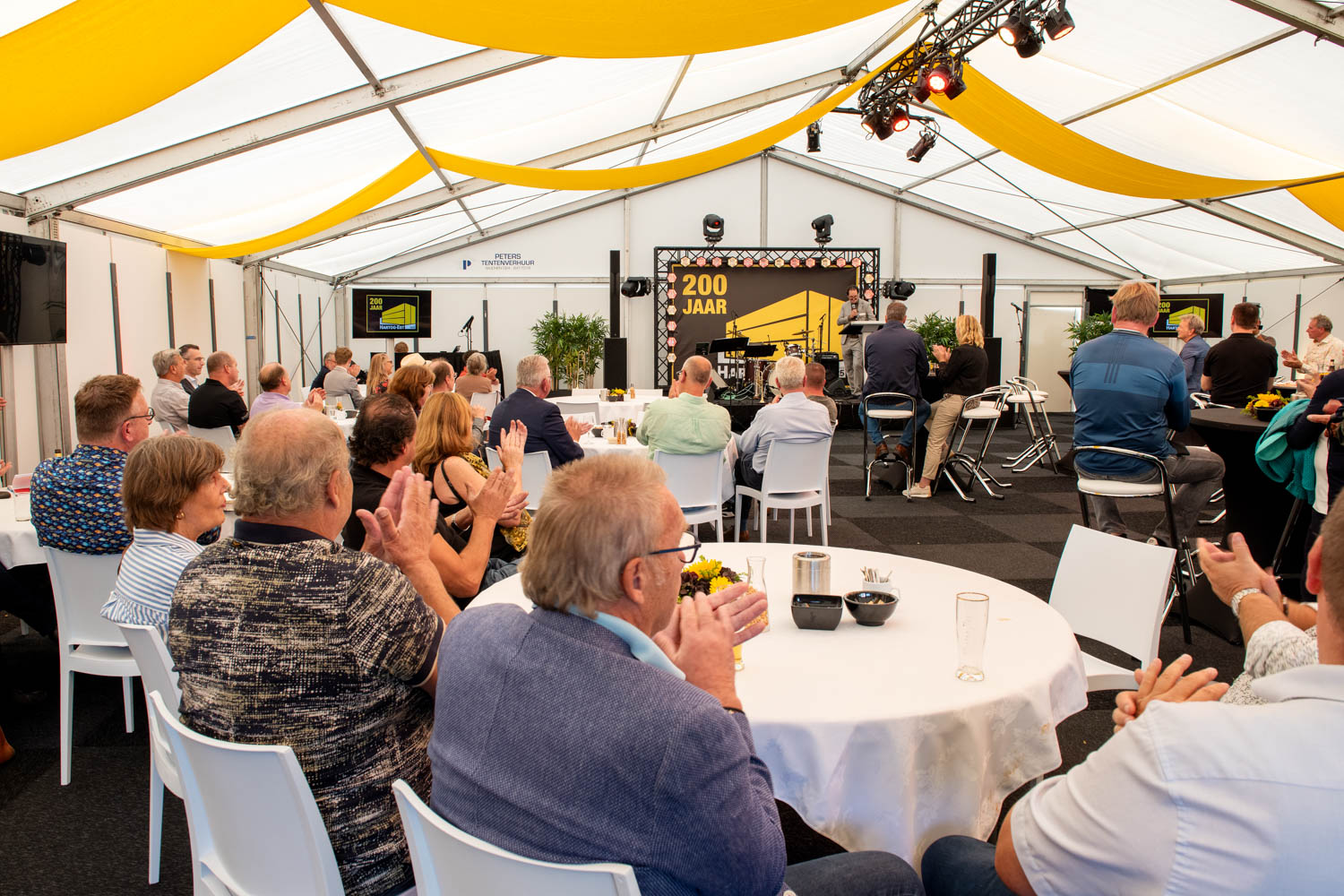
Hartog-Est celebrated its 200th anniversary with a festive client appreciation day and open house on September 5 and 6, which focused on the past, present, and future. Visitors were taken on a unique journey through the company’s history. There were many trucks on display, the company’s history was highlighted in detail, and various processes of Vehicle Body Building were demonstrated. There was music, snacks, and drinks.

Radboudumc Donation for Parkinson’s Disease Research

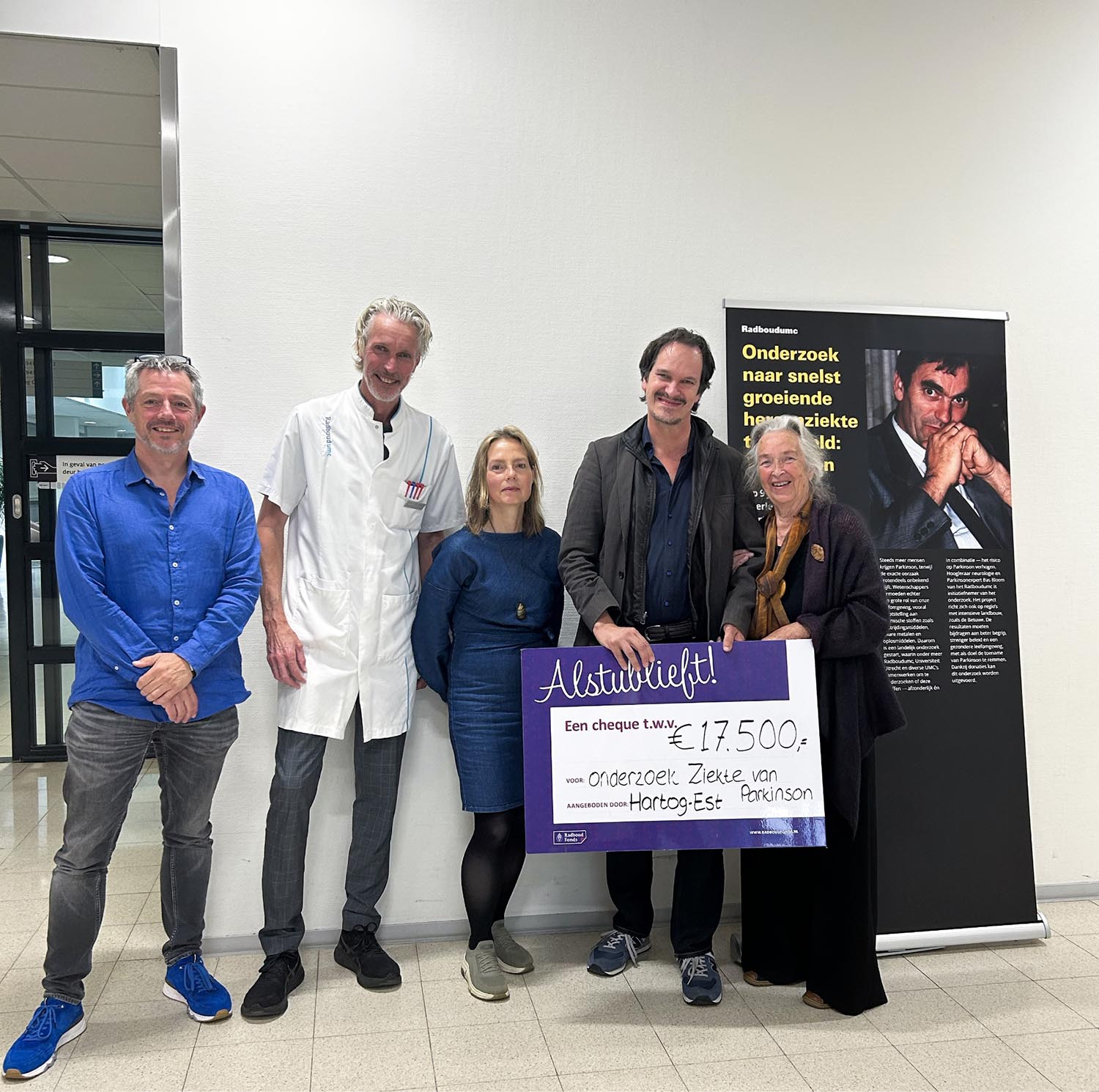
Instead of gifts, we asked for donations to support Parkinson’s disease research in honor of our 200th anniversary. On Wednesday, September 10, we were proud to present €17,500 to Prof. Dr. Bas Bloem of Radboudumc.

With this contribution, we are supporting important research into the role of our environment in the development of Parkinson’s disease—the fastest-growing brain disease worldwide. In January 2024, Everard den Hartog, former owner of Hartog-Est, passed away from this disease.

A huge thank you to everyone who contributed. Donations will continue to be accepted throughout the year. Read more here.
Audio Stories

Family members and current and former employees share memories and talk about their experiences working at Hartog-Est.

1948 - The Heir Apparent

Before 1930, all vehicle bodies were made primarily of wood. That wood was purchased as standing trees on an estate, cut down, and transported to Estonia. There were always logs piled up in front of the house.

1950 - The Workshop

Wim den Hartog (Everard's brother) describes what it was like in the workshop.

1954 - Coachbuilder's Cabin

Wim den Hartog (brother of E.J. den Hartog) talks about the wagon-makers' cabins.

1963 - Everard Comes Home

Before 1930, all vehicle bodies were made primarily of wood. That wood was purchased as standing trees on an estate, cut down, and transported to Estonia. There were always logs piled up in front of the house.

1963 - Fiat 1100 Sport Coupe

While studying in Kaiserslautern, Everard built a sports coupe on a Fiat 1100 Chassis as his final project.

1963 - R.A.C. - PTT

E.J. den Hartog returns home and begins running the business alongside his father. Otje, his wife, talks about this period.

1969 - Everard and Otje's Honeymoon

During Everard and Otje's honeymoon, things go wrong with the car that Jongbloed had just delivered.

1973 - Orange Leeks

Orange leeks in the neighbors' vegetable garden.

1997 - Move to the new Waardenburg facility

Move to new premises in Waardenburg.

2003 - Jorrit returns and takes over the company

W.J.E. (Jorrit) den Hartog takes over the company from his father. He had returned from Canada in 1996 for this purpose.